Understanding 3-Spindle CNC Machines | Drilling & Tapping Aluminum Parts for Beginners
04/25/2026
Learn the fundamentals of CNC machining with a 3-spindle machine. Understand how it drills and taps aluminum parts, including programming, tool selection, and best practices for beginners.
Understanding CNC: Watch a 3-Spindle Machine Drill & Tap Aluminum Parts
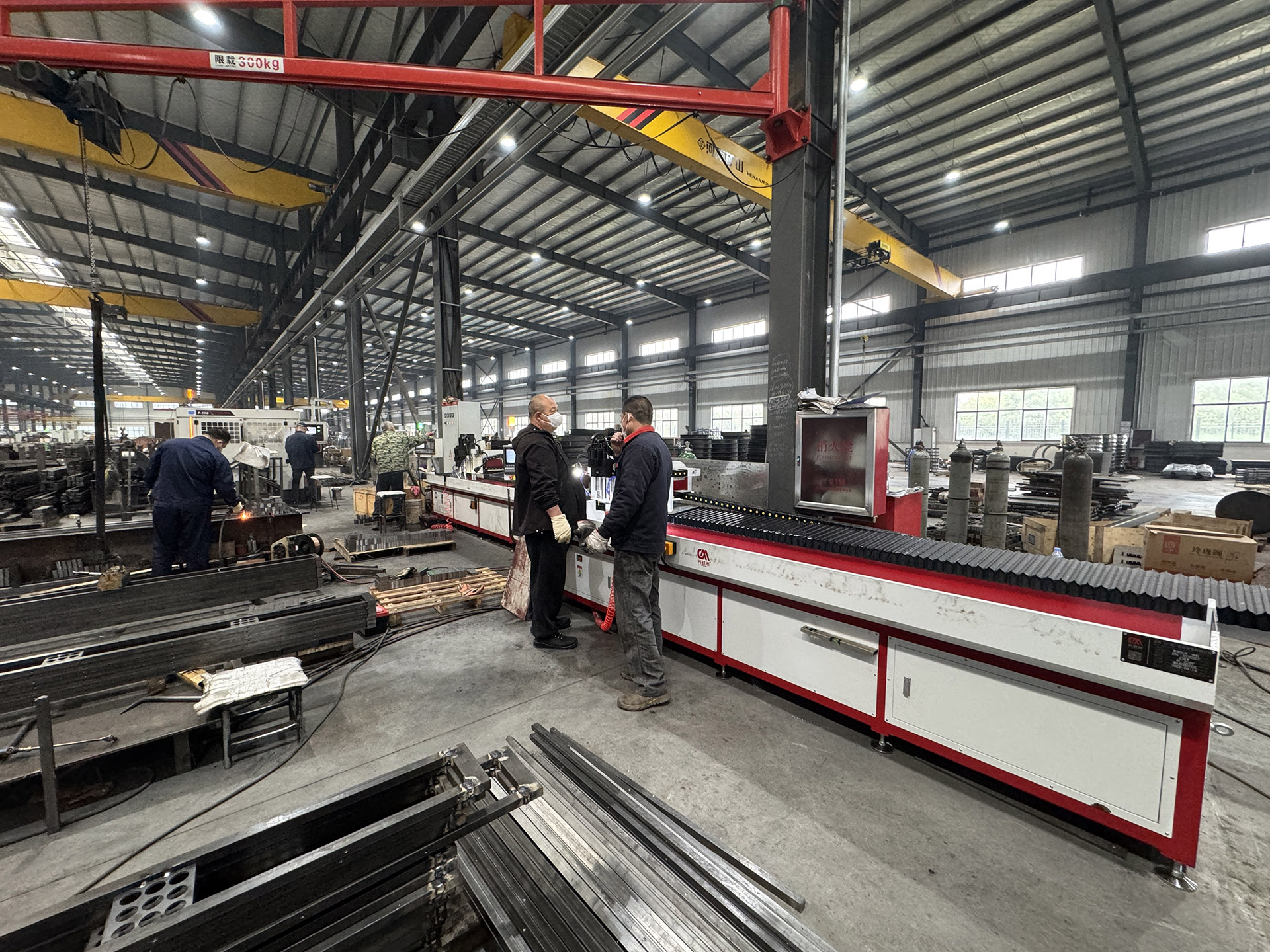
CNC, or Computer Numerical Control, is a cornerstone of modern manufacturing. For beginners, seeing a 3-spindle CNC machine in action can be both fascinating and educational. This article breaks down the principles behind CNC machining, the unique features of 3-spindle machines, and how they efficiently drill and tap aluminum parts.
What is CNC Machining?
The Basics of CNC
CNC machining uses computer-controlled tools to remove material from a workpiece to create precise shapes and features. Unlike manual machining, CNC systems follow programmed instructions, ensuring repeatable accuracy and complex designs.
Drilling and Tapping Explained
Drilling: Creating a round hole in a material using a rotating drill bit.
Tapping: Cutting internal threads in a pre-drilled hole so bolts or screws can be inserted.
CNC combines both processes seamlessly, allowing precise, high-speed operations with minimal human intervention.
Why 3 Spindles Matter
Single vs. Multi-Spindle Machines
Traditional machines use one spindle at a time, requiring multiple setups for multiple holes. A 3-spindle CNC machine can drill and tap three holes simultaneously, reducing production time and improving consistency.
Advantages of Multi-Spindle CNC
Increased throughput for high-volume production
Reduced repositioning errors
Greater efficiency in complex parts
Understanding 3-Spindle CNC Machines
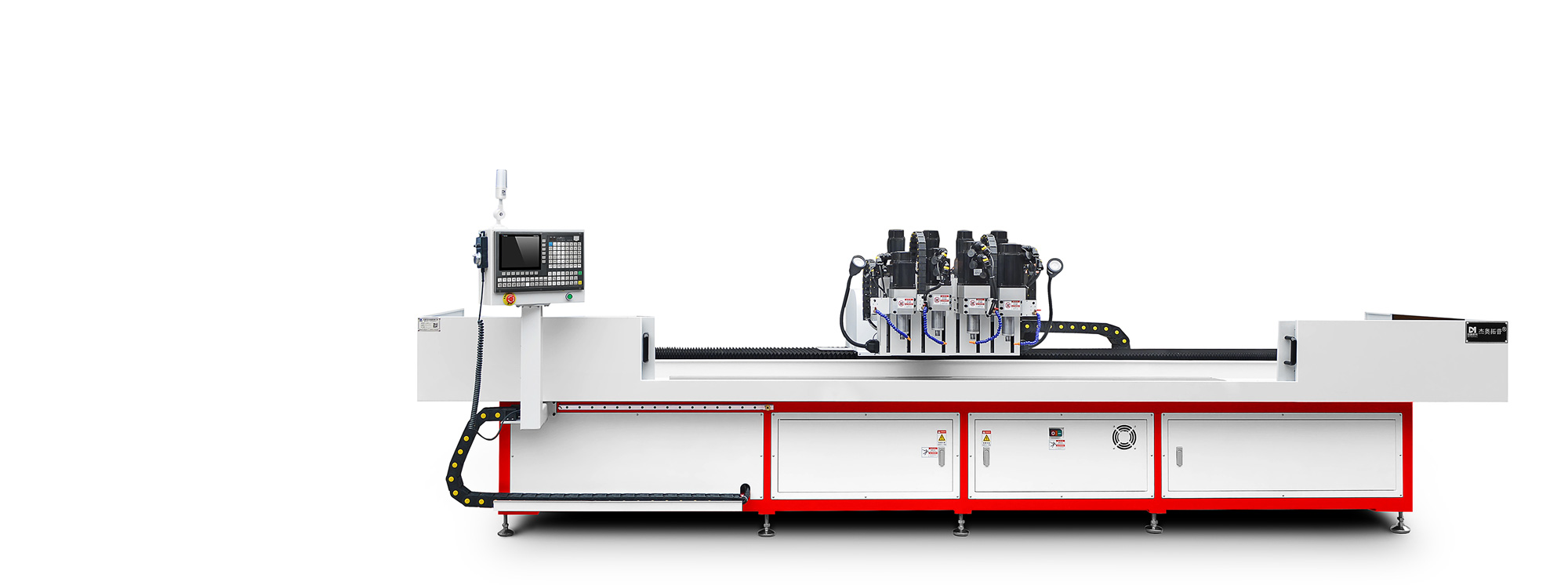
Anatomy of a 3-Spindle CNC Machine
Core Components
Spindles: Rotating tools that drill and tap holes.
CNC Controller: The brain of the machine, translating programming code into precise movement.
Workholding Fixtures: Secure aluminum parts to prevent vibrations.
Tool Magazine: Stores multiple drill and tap bits for automatic switching.
How It Operates
Load the aluminum part onto the fixture table.
Program the machine with precise hole coordinates and thread specifications.
Start the operation: all three spindles drill and tap simultaneously.
Inspect parts for quality assurance.
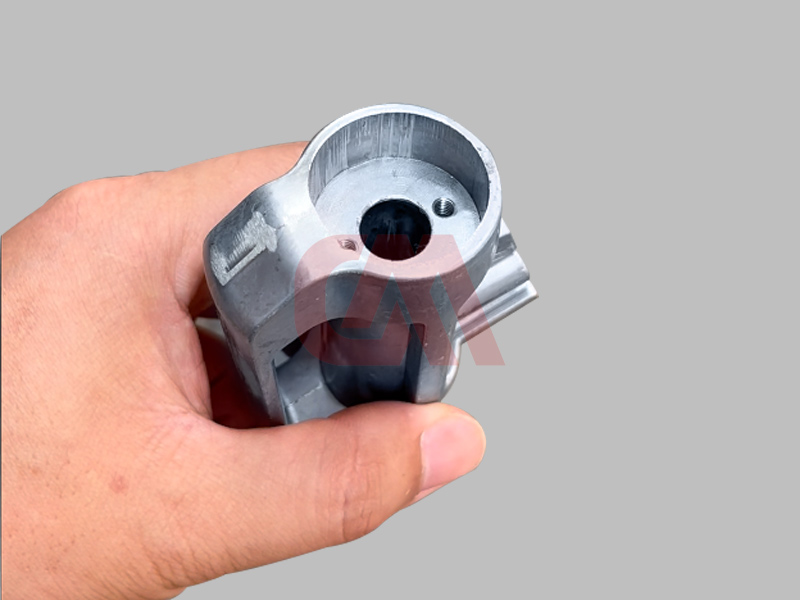
CNC Drilling and Tapping for Die-Cast Aluminum
Learning CNC Programming
G-Code Fundamentals
CNC machines use G-code to direct movements. For beginners:
G00: Rapid positioning
G01: Linear cutting
G02/G03: Circular interpolation
Understanding these basics allows programmers to control drilling and tapping sequences accurately.
Simulation Before Machining
Modern CNC software includes simulation features, allowing users to visualize operations before touching the material. This prevents errors and teaches the effects of different commands.
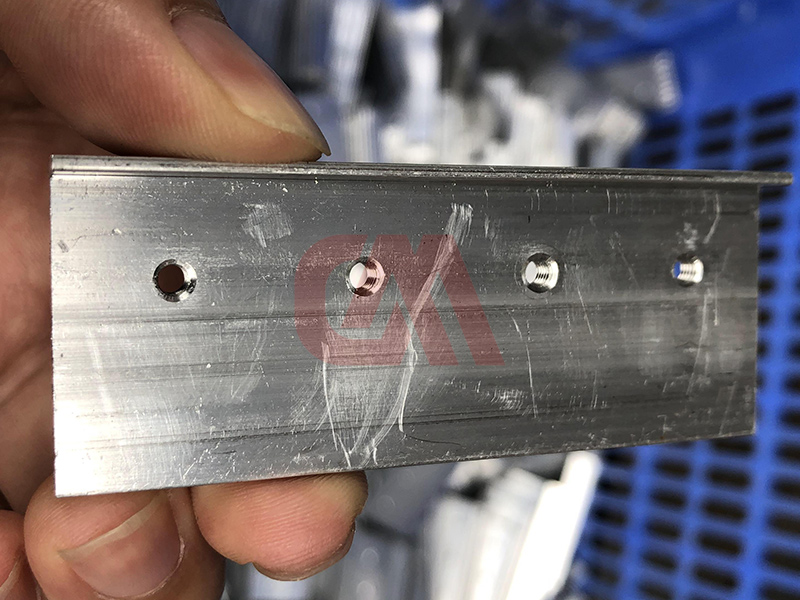
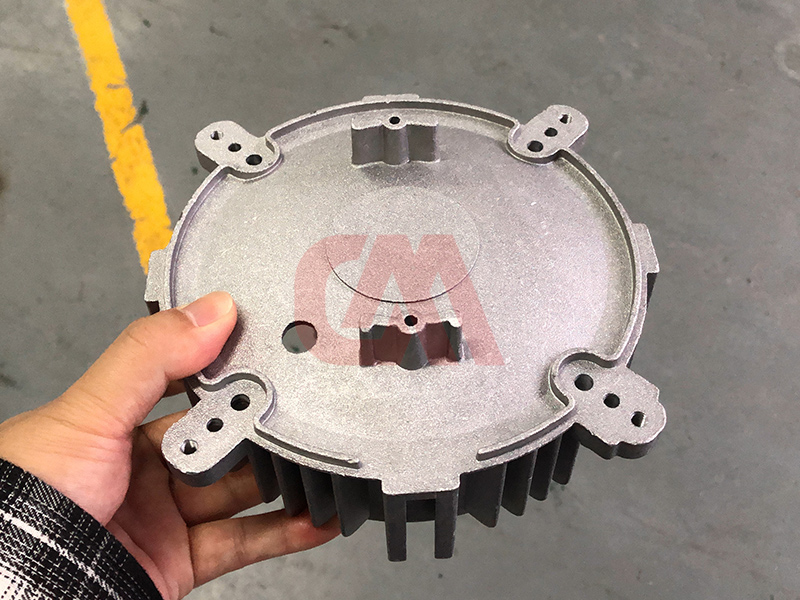
Aluminum parts drilling and tapping
Practical Applications
Automotive Industry
CNC machines produce engine components and brackets with precise holes and threads, ensuring proper assembly and safety.
Aerospace Components
Aluminum panels and lightweight structures require exact tolerances. 3-spindle CNC machines maintain precision while processing multiple points at once.
Electronics Manufacturing
Drilling and tapping aluminum enclosures for electronics is faster and more reliable with multi-spindle CNC systems, supporting mass production.
CNC Drilling and Tapping Machine for Multi-Size Hole Drilling and Tapping in Die-Cast Aluminum
Tips for Beginners
Start Small
Begin with simple aluminum parts and basic hole patterns to understand machine behavior.
Learn Tool Selection
Different drill and tap bits suit different materials. Aluminum requires specific coatings and geometries to reduce wear.
Safety First
Always follow safety protocols: wear protective gear, secure parts properly, and keep hands clear of moving tools.
Conclusion
A 3-spindle CNC machine demonstrates the power of modern manufacturing: precision, speed, and efficiency. For learners, observing its operation provides valuable insights into CNC principles and industrial applications. Understanding how these machines work is the first step toward mastering CNC machining and exploring a wide range of manufacturing opportunities.