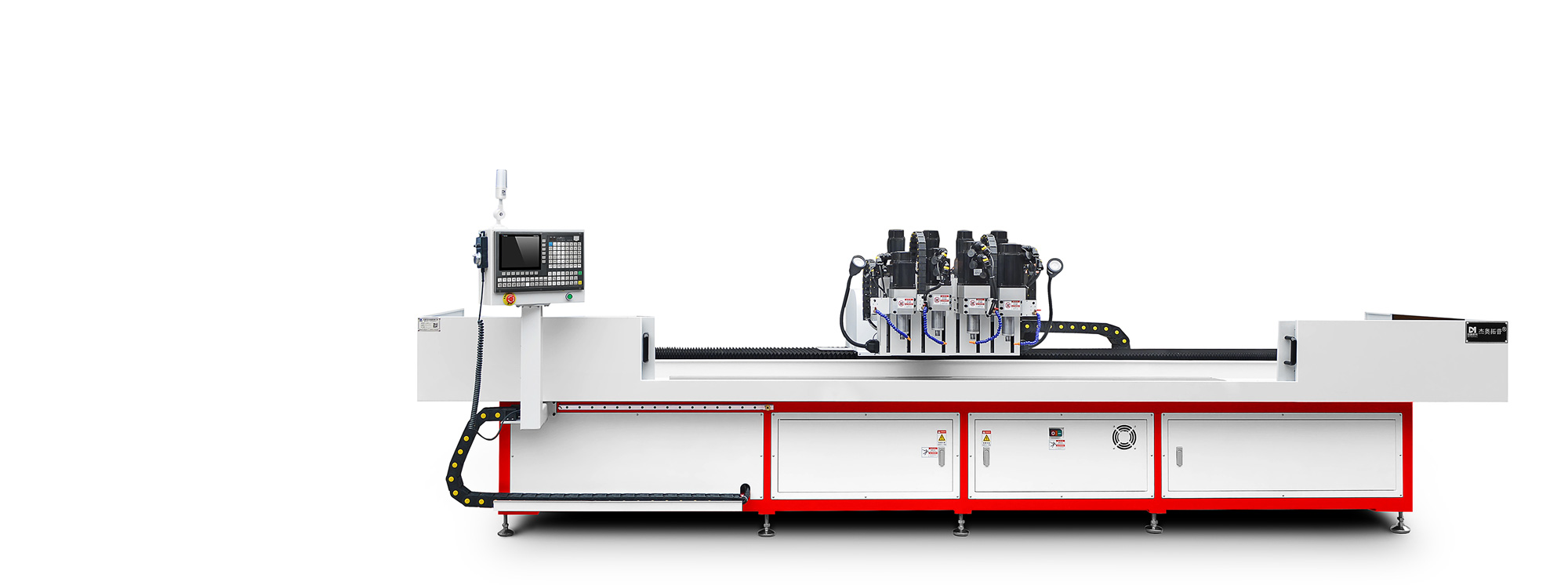
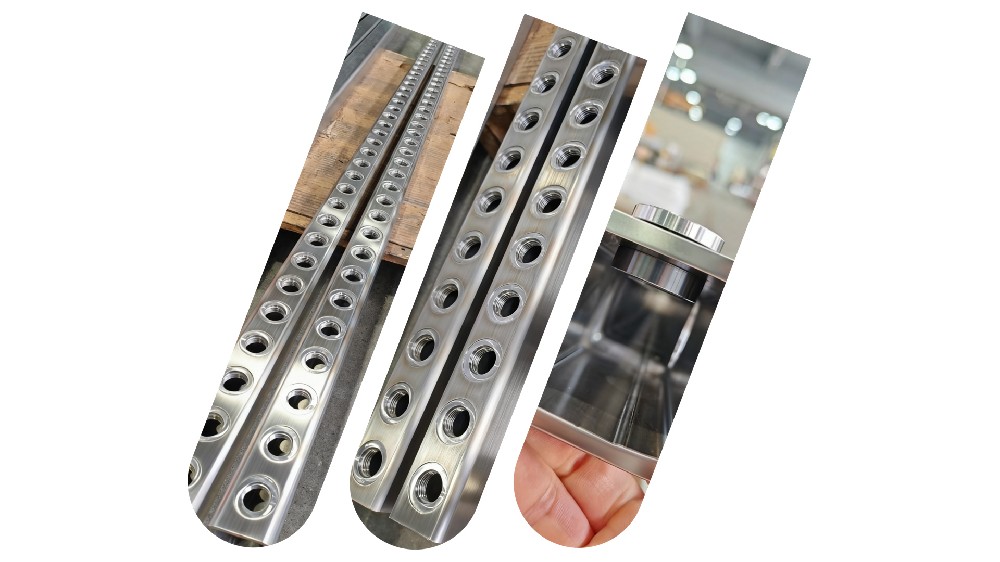
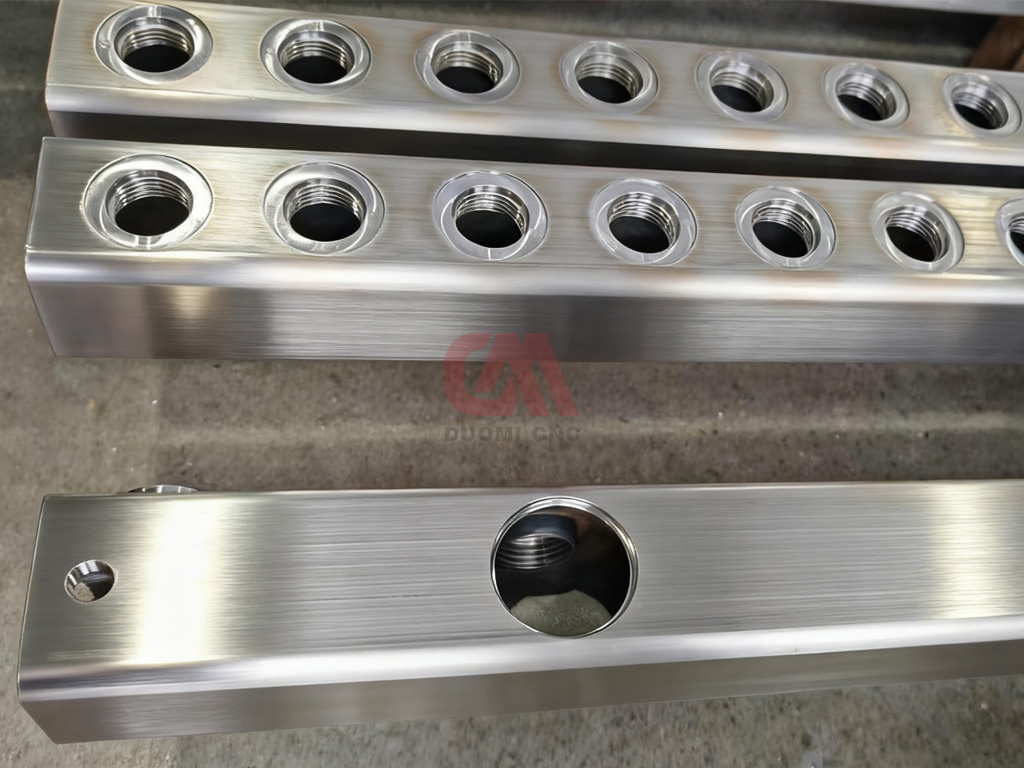
How to CNC Drill Multiple Holes in Stainless Steel Efficiently
04/18/2026
CNC Drilling multiple holes in stainless steel components is a common requirement in industries such as textile machinery, automotive manufacturing, and metal fabrication. These components often demand high precision, consistent hole spacing, and strong thread quality.
Introduction
CNC Drilling multiple holes in stainless steel components is a common requirement in industries such as textile machinery, automotive manufacturing, and metal fabrication. These components often demand high precision, consistent hole spacing, and strong thread quality.
How to CNC Drill Multiple Holes in Stainless Steel Efficiently
However, stainless steel is notoriously difficult to machine due to its hardness, work hardening behavior, and heat generation during drilling. When multiple holes are involved, these challenges become even more complex, often leading to tool wear, low efficiency, and inconsistent results.
Understanding how to drill multiple holes in stainless steel efficiently is essential for manufacturers seeking to optimize productivity while maintaining high-quality standards.
Why Multi-Hole Drilling Efficiency Matters
Efficiency in multi-hole drilling goes beyond speed. It directly impacts:
Production output
Tool life
Product consistency
Overall manufacturing cost
In high-volume industries like textile machinery, even a small improvement in drilling efficiency can result in significant cost savings over time.
Key Challenges in Multi-Hole Drilling of Stainless Steel
1. Work Hardening Effect
Stainless steel hardens quickly when exposed to heat and pressure. If drilling is interrupted or parameters are incorrect, subsequent drilling becomes more difficult.
2. Heat Accumulation
Excessive heat during drilling can:
Damage cutting tools
Affect hole accuracy
Reduce surface finish quality
3. Tool Wear and Breakage
Multi-hole drilling accelerates tool wear due to repeated cutting cycles.
4. Chip Evacuation Problems
Continuous chips can clog holes, increasing friction and reducing efficiency.
5. Hole Position Accuracy
Maintaining consistent spacing across multiple holes is critical for proper assembly.
➡ Related topic:
What Is CNC Multi-Hole Drilling and How It Works
Core Principles for Efficient Multi-Hole Drilling
1. Optimize Spindle Speed and Feed Rate
The correct balance between speed and feed is crucial:
Too high speed → overheating
Too low speed → increased friction
Proper parameters improve both efficiency and tool life.
2. Use High-Quality Cutting Tools
Recommended tools include:
Carbide drills
Coated tools (TiAlN, etc.)
These provide better heat resistance and durability.
3. Ensure Proper Workpiece Clamping
Stable clamping prevents vibration, ensuring:
Accurate hole positioning
Better surface finish
Reduced tool wear
4. Apply Effective Cooling and Lubrication
Coolant helps:
Reduce heat
Flush chips
Extend tool life
Advanced Techniques for Multi-Hole Drilling
Peck Drilling
Peck drilling involves intermittent cutting to remove chips and reduce heat buildup.
Efficient multi-hole drilling in stainless steel requires a combination of optimized parameters, high-quality tools, and advanced CNC technology. By adopting modern solutions, manufacturers can significantly improve productivity while maintaining high precision and consistency.
Call to Action
Looking to improve your multi-hole drilling efficiency?
Contact us today for a customized CNC solution tailored to your production needs.
FAQ
1. What is the best way to drill multiple holes in stainless steel?
Using optimized cutting parameters, high-quality tools, and CNC machines ensures efficient and accurate drilling.
2. How can tool life be extended?
By using proper speed, feed rate, and cooling systems.
3. What is peck drilling?
A technique that involves intermittent cutting to remove chips and reduce heat.
4. How does CNC improve multi-hole drilling?
It automates the process, ensures precision, and reduces cycle time.
5. Is multi-spindle drilling more efficient?
Yes, it allows multiple holes to be drilled simultaneously, significantly increasing productivity.